Welcome to our store Learn more

New collections added! Learn more

AFFORDABLE BLACKMAGIC EQUIPMENT. Broadcast Engineer standing by for queries.

SKU: S-BLA-ATEMA/1MEPNLDISP

Blackmagic Design Spares - ATEM 1M/E Panel - Display

R 11,142.35 R 11,728.85
Tax included Shipping calculated at checkout.


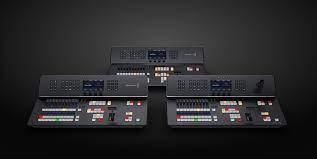
The Blackmagic Design Spares - ATEM 1 M/E Panel - Display is the primary LCD module used in the system control section of the 1 M/E Broadcast or Advanced Panels. This screen is the central hub for the panel's menu system, providing visual feedback for chroma keying, DVE positioning, and network configuration.

Core Responsibilities

  • Menu GUI: Renders the graphical user interface that allows you to navigate the switcher’s deep settings.

  • Parameter Feedback: Displays real-time numerical values and status bars that correspond to the rotary "soft knobs" directly below the screen.

  • System Status: Shows the panel’s connection status, IP address, and firmware version.

  • Tally and Configuration: Provides visual confirmation of transition types and keyer states.


When to Replace the Display

  • White Screen / No Data: The backlight is on (the screen glows), but no text or menus appear.

  • Dead Pixels or Lines: Vertical or horizontal lines appear permanently across the screen, usually caused by a failure in the ribbon cable connection to the glass.

  • Dimming or Flicker: The backlight is failing, making the screen unreadable in bright studio environments.

  • Burn-in (Ghosting): Menu items remain permanently "stained" on the display after staying on the same page for long periods.

  • Physical Damage: The glass is cracked or the LCD has "leaked" (black ink-like spots).


Technical Installation Note

Repair Level: 3 (Moderate).

  1. Chassis Access: To access the display, you must remove the bottom plate of the 1 M/E panel and potentially unbolt the internal logic tray to reach the front-panel assembly.

  2. Flexible Flat Cable (FFC): The display connects to its driver board via a thin, delicate ribbon cable. Warning: Use a plastic spudger to lift the locking gate on the ZIF (Zero Insertion Force) connector. Pulling the cable while locked will tear the silver contact traces.

  3. Dust Control: Any dust trapped between the new LCD and the clear plastic faceplate window will be highly visible once the backlight is on. Clean the area with compressed air before sealing.

  4. Static Safety: The driver chips on the back of the LCD are extremely sensitive to Electrostatic Discharge (ESD). Always wear a grounding strap.


Diagnostic: Display vs. Logic Board

Before purchasing the display, determine if the screen itself is broken or if the board driving it has failed:

  • It is the Display if: You see physical cracks, bleeding "ink," or localized lines while the rest of the image is visible.

  • It is the LCD PCB if: The screen is perfectly lit but completely blank, or if the text is replaced by "gibberish" characters/static.

Expert Advice: To prevent "Burn-in" on your new display, use the ATEM Setup Utility on your computer to lower the display brightness to 70% or 80%. Running at 100% brightness 24/7 significantly shortens the lifespan of the backlight and the LCD crystals.

Is your screen showing physical signs of damage like cracks, or has it simply gone blank or white?

Blackmagic Design Spares - ATEM 1M/E Advanced Panel - Button
Blackmagic

Blackmagic Design Spares - ATEM 1M/E Panel - Display

R 11,142.35 R 11,728.85

The Blackmagic Design Spares - ATEM 1 M/E Panel - Display is the primary LCD module used in the system control section of the 1 M/E Broadcast or Advanced Panels. This screen is the central hub for the panel's menu system, providing visual feedback for chroma keying, DVE positioning, and network configuration.

Core Responsibilities

  • Menu GUI: Renders the graphical user interface that allows you to navigate the switcher’s deep settings.

  • Parameter Feedback: Displays real-time numerical values and status bars that correspond to the rotary "soft knobs" directly below the screen.

  • System Status: Shows the panel’s connection status, IP address, and firmware version.

  • Tally and Configuration: Provides visual confirmation of transition types and keyer states.


When to Replace the Display

  • White Screen / No Data: The backlight is on (the screen glows), but no text or menus appear.

  • Dead Pixels or Lines: Vertical or horizontal lines appear permanently across the screen, usually caused by a failure in the ribbon cable connection to the glass.

  • Dimming or Flicker: The backlight is failing, making the screen unreadable in bright studio environments.

  • Burn-in (Ghosting): Menu items remain permanently "stained" on the display after staying on the same page for long periods.

  • Physical Damage: The glass is cracked or the LCD has "leaked" (black ink-like spots).


Technical Installation Note

Repair Level: 3 (Moderate).

  1. Chassis Access: To access the display, you must remove the bottom plate of the 1 M/E panel and potentially unbolt the internal logic tray to reach the front-panel assembly.

  2. Flexible Flat Cable (FFC): The display connects to its driver board via a thin, delicate ribbon cable. Warning: Use a plastic spudger to lift the locking gate on the ZIF (Zero Insertion Force) connector. Pulling the cable while locked will tear the silver contact traces.

  3. Dust Control: Any dust trapped between the new LCD and the clear plastic faceplate window will be highly visible once the backlight is on. Clean the area with compressed air before sealing.

  4. Static Safety: The driver chips on the back of the LCD are extremely sensitive to Electrostatic Discharge (ESD). Always wear a grounding strap.


Diagnostic: Display vs. Logic Board

Before purchasing the display, determine if the screen itself is broken or if the board driving it has failed:

  • It is the Display if: You see physical cracks, bleeding "ink," or localized lines while the rest of the image is visible.

  • It is the LCD PCB if: The screen is perfectly lit but completely blank, or if the text is replaced by "gibberish" characters/static.

Expert Advice: To prevent "Burn-in" on your new display, use the ATEM Setup Utility on your computer to lower the display brightness to 70% or 80%. Running at 100% brightness 24/7 significantly shortens the lifespan of the backlight and the LCD crystals.

Is your screen showing physical signs of damage like cracks, or has it simply gone blank or white?
View product