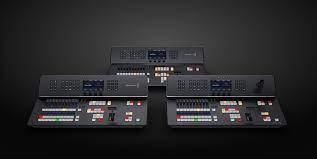
The Blackmagic Design Spares – ATEM Panel – Ethernet Module is the dedicated communication interface for ATEM Advanced Panels. Unlike simple consumer devices where the Ethernet port is soldered to the main motherboard, professional Blackmagic panels often use a modular or semi-modular daughterboard approach for the network stack.
This module is the "translator" between your tactile button presses and the IP-based commands sent to the ATEM Switcher mainframe.
Core Responsibilities
-
IP Protocol Management: Handles the negotiation of IP addresses (DHCP or Static) and ensures a low-latency UDP connection to the switcher.
-
Dual-Port Switching (where applicable): On larger panels, this module manages the "Loop" port, allowing you to daisy-chain multiple panels or connect a laptop for simultaneous software control.
-
PoE+ (Power over Ethernet) Regulation: In many newer panels, this module manages the power handshake that allows the entire control surface to run off a single Ethernet cable connected to a PoE+ switch.
-
Data Isolation: Protects the sensitive internal logic of the panel from electrical surges or "ground loops" that can travel through long shielded network cable runs.
When to Replace the Ethernet Module
-
"No Switcher Found": The panel boots up perfectly, but it consistently fails to "see" the switcher on the network, even after swapping cables and verifying IP settings.
-
Physical Port Damage: The internal plastic "tongue" or the gold pins inside the RJ45 jack have been bent or snapped due to a cable being yanked or tripped over.
-
Intermittent Disconnects: The panel works for 10 minutes and then loses connection (tally lights go out), requiring a full reboot to reconnect.
-
PoE Failure: The panel works fine when plugged into a 4-pin XLR DC power supply, but refuses to power up when connected to a known-good PoE+ switch.
Technical Installation Note
Repair Level: 4 (Advanced).
-
Chassis Grounding: When installing the new module, ensure the metal housing of the RJ45 jack makes firm contact with the panel’s chassis. This is vital for shielding against EMI (Electromagnetic Interference) in high-interference environments like concert venues.
-
MAC Address Change: Note that replacing this module effectively changes the "identity" of the panel on your network. You may need to update your network router’s static IP assignments or "Whitelist" the new MAC address.
-
The Interconnect Header: This module typically connects to the Panel’s Main PCB via a high-density "header" (pins). Caution: Align these pins perfectly before applying pressure. A single bent pin can prevent the panel from booting or, worse, short out the 5V data rail.
-
Firmware Sync: After installation, connect the panel to a computer via USB and run the ATEM Setup Utility. The panel may need to "flash" the internal software of the new module to match the rest of the hardware.
Diagnostic: Module vs. Main PCB
-
It is the Ethernet Module if: The panel's LCD menus, buttons, and joystick are all responsive locally, but the "Link" light on the back is dead or the network status remains "Disconnected."
-
It is the Main PCB if: The panel is acting erratically, freezing, or the USB port (for setup) also fails to communicate with a computer.
Pro-Tip: The "Shielding" Secret
If you are experiencing frequent disconnects, ensure you are using Cat6A STP (Shielded Twisted Pair) cable. Because the Ethernet Module is a high-speed data interface, it is susceptible to "crosstalk" if run parallel to high-voltage power lines or heavy SDI looms. Replacing a "failed" module often reveals that the real culprit was simply a non-shielded cable!
Is your panel failing to get an IP address entirely, or is the physical RJ45 port loose or damaged?