Welcome to our store Learn more

New collections added! Learn more

AFFORDABLE BLACKMAGIC EQUIPMENT. Broadcast Engineer standing by for queries.

SKU: S-BLA-ATEM/APNLFAN

Blackmagic Design Spares - ATEM Panel - Fan

R 726.80 R 764.75
Tax included Shipping calculated at checkout.


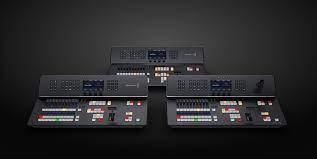
The Blackmagic Design Spares - ATEM Panel - Fan is the internal cooling unit designed for the ATEM 1 M/E, 2 M/E, and 4 M/E Advanced Panels. While these panels are control surfaces (and don't process video like the switchers do), they contain hundreds of LEDs, multiple LCD screens, and high-speed communication processors that generate significant internal ambient heat.

Maintaining airflow is critical to prevent "thermal drift" in the joystick sensors and to protect the lifespan of the OLED/LCD scribble strips.


Fan Specifications & Location

  • Type: High-reliability, low-noise DC brushless fan (typically 40mm or 60mm depending on the panel generation).

  • Location: Usually mounted to the side or rear internal frame, pulling air across the Main Logic PCB and exhausting it through the chassis vents.

  • Connector: 2-pin or 3-pin micro-header that plugs directly into the panel's internal distribution board.


When to Replace the Panel Fan

  • Grinding or "Chirping" Noise: If your control panel sounds like it has a cricket inside, the fan bearings are failing. This is common in panels used in high-dust environments or mobile units.

  • LCD Overheating: If your scribble strips (Input LCDs) feel abnormally hot to the touch or start to show "ghosting" artifacts, the fan may have seized.

  • Error Alerts: Higher-end panels may display a "Fan Error" or "System Overheat" message on the main System Control LCD.

  • Total Silence: If you used to hear a faint whirring and the panel is now completely silent, the motor has likely burned out.


Technical Installation Note

Repair Level: 2 (Moderate).

  1. Accessing the Interior: You must flip the panel onto a soft, clean surface (to protect the buttons and T-Bar) and remove the numerous perimeter screws on the bottom plate.

  2. Orientation is Key: Before unscrewing the old fan, look at the airflow arrow embossed on the plastic frame. You must install the new fan in the same orientation (typically blowing out) to maintain the factory thermal pressure.

  3. Cable Management: Use the existing internal cable clips. If the fan wire is left loose, it can vibrate against the metal chassis, creating an annoying "buzzing" sound, or worse, get caught in the fan blades themselves.

  4. Cleaning the Vents: While the panel is open, use compressed air to clean the intake and exhaust vents on the aluminum chassis. A new fan won't help if the "breathing" holes are clogged with dust.


Diagnostic: Fan vs. PSU Whine

It is important to distinguish between fan noise and electrical noise:

  • If the sound changes pitch when you tap the chassis: It is a mechanical Fan issue.

  • If the sound is a constant, high-pitched "squeal" regardless of movement: It is likely "coil whine" from the Internal Power Supply or a failing capacitor on the Main PCB.


Pro-Tip: The "Dust Filter" Hack

If you work in dusty environments (like outdoor festivals), the panel fan acts like a vacuum cleaner. Periodically vacuuming the side vents of your ATEM panel (while powered off) can double the lifespan of the internal fan and prevent the LCD screens from getting "dust spots" behind the glass.

Is your fan making a loud mechanical noise, or are you concerned because the panel feels hot during a long broadcast?

Blackmagic Design Spares - ATEM 1M/E Advanced Panel - Button
Blackmagic

Blackmagic Design Spares - ATEM Panel - Fan

R 726.80 R 764.75

The Blackmagic Design Spares - ATEM Panel - Fan is the internal cooling unit designed for the ATEM 1 M/E, 2 M/E, and 4 M/E Advanced Panels. While these panels are control surfaces (and don't process video like the switchers do), they contain hundreds of LEDs, multiple LCD screens, and high-speed communication processors that generate significant internal ambient heat.

Maintaining airflow is critical to prevent "thermal drift" in the joystick sensors and to protect the lifespan of the OLED/LCD scribble strips.


Fan Specifications & Location

  • Type: High-reliability, low-noise DC brushless fan (typically 40mm or 60mm depending on the panel generation).

  • Location: Usually mounted to the side or rear internal frame, pulling air across the Main Logic PCB and exhausting it through the chassis vents.

  • Connector: 2-pin or 3-pin micro-header that plugs directly into the panel's internal distribution board.


When to Replace the Panel Fan

  • Grinding or "Chirping" Noise: If your control panel sounds like it has a cricket inside, the fan bearings are failing. This is common in panels used in high-dust environments or mobile units.

  • LCD Overheating: If your scribble strips (Input LCDs) feel abnormally hot to the touch or start to show "ghosting" artifacts, the fan may have seized.

  • Error Alerts: Higher-end panels may display a "Fan Error" or "System Overheat" message on the main System Control LCD.

  • Total Silence: If you used to hear a faint whirring and the panel is now completely silent, the motor has likely burned out.


Technical Installation Note

Repair Level: 2 (Moderate).

  1. Accessing the Interior: You must flip the panel onto a soft, clean surface (to protect the buttons and T-Bar) and remove the numerous perimeter screws on the bottom plate.

  2. Orientation is Key: Before unscrewing the old fan, look at the airflow arrow embossed on the plastic frame. You must install the new fan in the same orientation (typically blowing out) to maintain the factory thermal pressure.

  3. Cable Management: Use the existing internal cable clips. If the fan wire is left loose, it can vibrate against the metal chassis, creating an annoying "buzzing" sound, or worse, get caught in the fan blades themselves.

  4. Cleaning the Vents: While the panel is open, use compressed air to clean the intake and exhaust vents on the aluminum chassis. A new fan won't help if the "breathing" holes are clogged with dust.


Diagnostic: Fan vs. PSU Whine

It is important to distinguish between fan noise and electrical noise:

  • If the sound changes pitch when you tap the chassis: It is a mechanical Fan issue.

  • If the sound is a constant, high-pitched "squeal" regardless of movement: It is likely "coil whine" from the Internal Power Supply or a failing capacitor on the Main PCB.


Pro-Tip: The "Dust Filter" Hack

If you work in dusty environments (like outdoor festivals), the panel fan acts like a vacuum cleaner. Periodically vacuuming the side vents of your ATEM panel (while powered off) can double the lifespan of the internal fan and prevent the LCD screens from getting "dust spots" behind the glass.

Is your fan making a loud mechanical noise, or are you concerned because the panel feels hot during a long broadcast?
View product