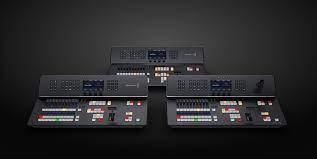
Blackmagic Design Spares - ATEM TV Studio Pro - Button
Blackmagic Design Spares - ATEM TV Studio Pro - Button is backordered and will ship as soon as it is back in stock.
Couldn't load pickup availability
Welcome to our store Learn more
Up to 50% off on certain Certified Pre-Owned Broadcast Equipment
New collections added! Learn more
Blackmagic Design Spares - ATEM TV Studio Pro - Button is backordered and will ship as soon as it is back in stock.
Couldn't load pickup availability
The Blackmagic Design Spares - ATEM Television Studio Pro (HD/4K) - Button refers to the mechanical switch assembly located beneath the clear plastic keycaps. Unlike the entry-level ATEM Mini series, which uses silicone membrane buttons, the TV Studio Pro series uses high-quality, tactile mechanical switches designed for thousands of "punches" during live production.
Depending on the specific failure, "the button" can refer to three distinct components:
This is the electronic component soldered directly to the Control Panel PCB.
Type: Typically a high-cycle tactile switch with an integrated LED (or a hole for an SMD LED).
Failure Symptom: The button clicks physically, but the switcher doesn't register the "cut" or "preview" change. Alternatively, the button may "double-trigger" (taking the camera and then immediately taking it back).
Repair Level: 4 (Advanced). Requires desoldering the faulty switch and soldering a new one onto a multi-layer board.
This is the plastic "cross" or "square" that sits between the mechanical switch and the clear cap.
Failure Symptom: The button feels "mushy" or stays depressed when pushed. This often happens if a sugary drink was spilled on the console, causing the plunger to stick to the metal faceplate.
Repair Level: 1 (Easy). Usually just requires cleaning with Isopropyl Alcohol.
This is the part your finger actually touches.
Failure Symptom: The cap is cracked, yellowed, or the internal clips that hold it to the stem have snapped.
Repair Level: 1 (Very Easy). Snaps on and off without tools.
Non-Responsive Command: You press the button firmly, but the ATEM Software Control shows no change.
Physical Damage: The button is physically sunken into the chassis or has been sheared off.
Sticking: The button registers a "Program" hit but doesn't pop back up, preventing you from making the next cut.
LED Failure: The button performs the switch, but fails to light up Red (Program) or Green (Preview). Note that on this model, the LED is often part of the switch itself; replacing the switch is usually required to fix the light.
If your buttons are behaving poorly, follow this hierarchy before ordering a full PCB:
The "Dry" Clean: Remove the clear keycap and use compressed air to blow out any dust around the stem.
The "Wet" Clean: Use a cotton swab with 99% Isopropyl Alcohol around the plastic plunger. Press the button repeatedly to work the alcohol down into the housing to dissolve any "sticky" residue.
Chemical Resurrection: If the switch is failing electrically, a tiny drop of DeoxIT Fader F-Series or Contact Cleaner into the switch housing can often restore connectivity without soldering.
The Solder Fix: If cleaning fails, the console must be opened. You will need to remove dozens of screws from the bottom plate to access the main button PCB for desoldering.
When ordering, be specific about which button you need. The Program/Preview buttons are larger than the Menu/Set or Macro buttons.
Cross-Compatibility: The buttons used in the TV Studio Pro HD/4K are often the same ones found in the ATEM 1 M/E Advanced Panel, but they are different from those in the standard (non-Pro) rack-mount TV Studio.
Expert Advice: If multiple buttons in the same row are failing simultaneously, the issue is rarely the individual buttons. It is more likely a failing Ribbon Cable or a "logic gate" failure on the Control PCB.
Are you having trouble with one specific button (like "CAM 1") or is an entire section of the panel acting up?

The Blackmagic Design Spares - ATEM Television Studio Pro (HD/4K) - Button refers to the mechanical switch assembly located beneath the clear plastic keycaps. Unlike the entry-level ATEM Mini series, which uses silicone membrane buttons, the TV Studio Pro series uses high-quality, tactile mechanical switches designed for thousands of "punches" during live production.
Depending on the specific failure, "the button" can refer to three distinct components:
This is the electronic component soldered directly to the Control Panel PCB.
Type: Typically a high-cycle tactile switch with an integrated LED (or a hole for an SMD LED).
Failure Symptom: The button clicks physically, but the switcher doesn't register the "cut" or "preview" change. Alternatively, the button may "double-trigger" (taking the camera and then immediately taking it back).
Repair Level: 4 (Advanced). Requires desoldering the faulty switch and soldering a new one onto a multi-layer board.
This is the plastic "cross" or "square" that sits between the mechanical switch and the clear cap.
Failure Symptom: The button feels "mushy" or stays depressed when pushed. This often happens if a sugary drink was spilled on the console, causing the plunger to stick to the metal faceplate.
Repair Level: 1 (Easy). Usually just requires cleaning with Isopropyl Alcohol.
This is the part your finger actually touches.
Failure Symptom: The cap is cracked, yellowed, or the internal clips that hold it to the stem have snapped.
Repair Level: 1 (Very Easy). Snaps on and off without tools.
Non-Responsive Command: You press the button firmly, but the ATEM Software Control shows no change.
Physical Damage: The button is physically sunken into the chassis or has been sheared off.
Sticking: The button registers a "Program" hit but doesn't pop back up, preventing you from making the next cut.
LED Failure: The button performs the switch, but fails to light up Red (Program) or Green (Preview). Note that on this model, the LED is often part of the switch itself; replacing the switch is usually required to fix the light.
If your buttons are behaving poorly, follow this hierarchy before ordering a full PCB:
The "Dry" Clean: Remove the clear keycap and use compressed air to blow out any dust around the stem.
The "Wet" Clean: Use a cotton swab with 99% Isopropyl Alcohol around the plastic plunger. Press the button repeatedly to work the alcohol down into the housing to dissolve any "sticky" residue.
Chemical Resurrection: If the switch is failing electrically, a tiny drop of DeoxIT Fader F-Series or Contact Cleaner into the switch housing can often restore connectivity without soldering.
The Solder Fix: If cleaning fails, the console must be opened. You will need to remove dozens of screws from the bottom plate to access the main button PCB for desoldering.
When ordering, be specific about which button you need. The Program/Preview buttons are larger than the Menu/Set or Macro buttons.
Cross-Compatibility: The buttons used in the TV Studio Pro HD/4K are often the same ones found in the ATEM 1 M/E Advanced Panel, but they are different from those in the standard (non-Pro) rack-mount TV Studio.
Expert Advice: If multiple buttons in the same row are failing simultaneously, the issue is rarely the individual buttons. It is more likely a failing Ribbon Cable or a "logic gate" failure on the Control PCB.
Are you having trouble with one specific button (like "CAM 1") or is an entire section of the panel acting up?