Welcome to our store Learn more

New collections added! Learn more

AFFORDABLE BLACKMAGIC EQUIPMENT. Broadcast Engineer standing by for queries.

SKU: S-BLA-BMPCC6K/LCDKIT

Blackmagic Design Spares - Camera PCC6K - LCD Replacement Kit

R 3,927.25
Tax included Shipping calculated at checkout.


the Blackmagic Design Spares - Pocket Cinema Camera 6K (PCC6K) - LCD Replacement Kit is the specific screen module for the original 6K model. Unlike the 6K Pro or 6K G2, which feature tilting screens, the original 6K has a fixed, flush-mount display.

Because the design is static, the screen is physically integrated into the rear chassis differently than its successors.

Kit Components

The standard OEM replacement kit typically consists of:

  • The 5-inch Touchscreen Panel: A high-definition ($1920 \times 1080$) capacitive display.

  • Digitizer Layer: The glass touch-sensitive surface (usually pre-bonded to the LCD to prevent dust ingress).

  • Main Display Flex Cable: The specialized ribbon cable that transmits both the LVDS video signal and the I2C touch data to the Main PCB.

Critical Distinction: 6K vs. 6K Pro/G2

It is vital to ensure you have the correct kit. The original 6K screen:

  • Is NOT Tiltable: It sits inside a fixed bezel.

  • Brightness: It is rated at roughly 500 nits, whereas the newer Pro/G2 models use a much thicker 1,500 nit panel.

  • Connector Type: The ribbon cable and the physical mounting points on the rear shell are incompatible with the newer "G2" or "Pro" chassis.

When to Replace the LCD

  • Impact Cracks: Spiderman-webbing across the glass that makes it difficult to judge focus or exposure.

  • Dead Pixels or "Lines": Vertical or horizontal colored lines indicating a failure in the LCD driver gate.

  • Ghosting/Touch Issues: If the camera "phantom touches" (menus changing on their own) or if the screen ignores your finger entirely.

  • Polarizer Delamination: If the screen looks "cloudy" or has bubbles appearing under the glass, usually due to high-heat exposure or moisture.


Technical Installation Note

Replacing the fixed LCD on the original 6K is a Level 3 repair. It is actually slightly easier than the Pro model because there is no hinge to thread, but the adhesive is more difficult.

  • The "Heat and Pry" Method: The LCD is often held into the rear shell with industrial-strength adhesive tape. You must use a heat gun (on low) or an "iOpener" bag to soften the glue before prying. If you pry too hard without heat, you will crack the plastic rear housing.

  • Ribbon Cable Clearance: Before sticking the new screen down, ensure the ribbon cable is fed through the chassis slot and is not pinched. Once the adhesive sets, it is very difficult to reposition.

  • Dust Control: Before sealing the new screen, use a microfiber cloth and a blower to ensure there is zero dust on the internal side of the panel. Anything trapped inside will be visible every time the camera is on.

  • ZIF Connector: The latch on the motherboard for this ribbon cable is very small. Use a plastic spudger to lift the black or white locking tab—never use metal screwdrivers, which can slip and short out the board.

Expert Tip: If your screen is black but you can still see an image via the HDMI output, the Main PCB is fine and the LCD (or its cable) is definitely the culprit. If the HDMI is also black, you may have a larger Main PCB or Sensor issue.

Are you dealing with a physically cracked screen, or has the display simply stopped showing an image?

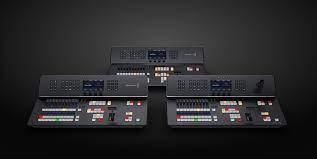
Blackmagic Design Spares - ATEM 1M/E Advanced Panel - Button
Blackmagic

Blackmagic Design Spares - Camera PCC6K - LCD Replacement Kit

R 3,927.25

the Blackmagic Design Spares - Pocket Cinema Camera 6K (PCC6K) - LCD Replacement Kit is the specific screen module for the original 6K model. Unlike the 6K Pro or 6K G2, which feature tilting screens, the original 6K has a fixed, flush-mount display.

Because the design is static, the screen is physically integrated into the rear chassis differently than its successors.

Kit Components

The standard OEM replacement kit typically consists of:

  • The 5-inch Touchscreen Panel: A high-definition ($1920 \times 1080$) capacitive display.

  • Digitizer Layer: The glass touch-sensitive surface (usually pre-bonded to the LCD to prevent dust ingress).

  • Main Display Flex Cable: The specialized ribbon cable that transmits both the LVDS video signal and the I2C touch data to the Main PCB.

Critical Distinction: 6K vs. 6K Pro/G2

It is vital to ensure you have the correct kit. The original 6K screen:

  • Is NOT Tiltable: It sits inside a fixed bezel.

  • Brightness: It is rated at roughly 500 nits, whereas the newer Pro/G2 models use a much thicker 1,500 nit panel.

  • Connector Type: The ribbon cable and the physical mounting points on the rear shell are incompatible with the newer "G2" or "Pro" chassis.

When to Replace the LCD

  • Impact Cracks: Spiderman-webbing across the glass that makes it difficult to judge focus or exposure.

  • Dead Pixels or "Lines": Vertical or horizontal colored lines indicating a failure in the LCD driver gate.

  • Ghosting/Touch Issues: If the camera "phantom touches" (menus changing on their own) or if the screen ignores your finger entirely.

  • Polarizer Delamination: If the screen looks "cloudy" or has bubbles appearing under the glass, usually due to high-heat exposure or moisture.


Technical Installation Note

Replacing the fixed LCD on the original 6K is a Level 3 repair. It is actually slightly easier than the Pro model because there is no hinge to thread, but the adhesive is more difficult.

  • The "Heat and Pry" Method: The LCD is often held into the rear shell with industrial-strength adhesive tape. You must use a heat gun (on low) or an "iOpener" bag to soften the glue before prying. If you pry too hard without heat, you will crack the plastic rear housing.

  • Ribbon Cable Clearance: Before sticking the new screen down, ensure the ribbon cable is fed through the chassis slot and is not pinched. Once the adhesive sets, it is very difficult to reposition.

  • Dust Control: Before sealing the new screen, use a microfiber cloth and a blower to ensure there is zero dust on the internal side of the panel. Anything trapped inside will be visible every time the camera is on.

  • ZIF Connector: The latch on the motherboard for this ribbon cable is very small. Use a plastic spudger to lift the black or white locking tab—never use metal screwdrivers, which can slip and short out the board.

Expert Tip: If your screen is black but you can still see an image via the HDMI output, the Main PCB is fine and the LCD (or its cable) is definitely the culprit. If the HDMI is also black, you may have a larger Main PCB or Sensor issue.

Are you dealing with a physically cracked screen, or has the display simply stopped showing an image?
View product