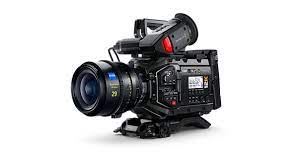
The Blackmagic Design Spares - Camera Studio Pro - LCD is the 7-inch, high-brightness touchscreen monitor found on the Blackmagic Studio Camera 4K Pro, 4K G2, and 6K Pro models.
Unlike the screens on the Pocket Cinema Camera line, this display is designed for professional broadcast environments, featuring a massive 2,000 nit brightness rating and integrated physical controls for live operation.
Key Specifications
-
Size: 7-inch Diagonal.
-
Brightness: 2,000 nits (High Dynamic Range / Daylight viewable).
-
Resolution: 1920 x 1200 (provides extra vertical space for status overlays).
-
Touchscreen: Capacitive multi-touch for menu navigation and touch-to-focus.
-
Control Integration: The LCD is bonded into a frame that sits between the physical knobs for brightness, contrast, and peaking.
When to Replace the Studio LCD
Because the Studio Camera is often transported without a case in "fly-packs," the screen is a common point of failure:
-
Impact Cracks: Physical damage to the glass. Because the digitizer is laminated to the LCD, a crack in the glass usually renders the touch functions and the display unusable.
-
Backlight Dimming: If the screen is on but looks extremely dim even at 100% brightness, the high-voltage backlight driver or the LEDs themselves have reached the end of their lifecycle.
-
Vertical/Horizontal Lines: A sign of "gate driver" failure within the LCD panel, often caused by a physical shock or moisture ingress.
-
Touch "Drift" or Dead Zones: If the camera ignores your touches or activates buttons you didn't press (phantom touching).
Comparison: Studio vs. Pocket Screens
It is a common mistake to assume these screens are interchangeable. They are not:
| Feature |
Pocket 6K Pro Screen |
Studio Camera Pro Screen |
| Size |
5-inch |
7-inch |
| Brightness |
1,500 nits |
2,000 nits |
| Mounting |
External Tilting "Bucket" |
Integrated Chassis Fixed Mount |
| Resolution |
1920 x 1080 |
1920 x 1200 |
Technical Installation Note
Replacing the LCD on a Studio Camera is a Level 3 repair. It is less complex than a Main PCB swap but requires precision.
-
Bezel Removal: To access the LCD, you must remove the front or rear bezel (depending on the specific sub-model). The screws are often hidden behind small rubber cosmetic plugs.
-
LVDS Ribbon Cable: The screen connects via a high-density LVDS ribbon cable. This cable is much thicker than the ones in the Pocket cameras but is still susceptible to static and folding damage. Ensure the connector is fully seated and the locking bar is snapped down.
-
Tally Light Connection: In the Studio series, the front-facing Tally light is often routed through or near the LCD housing. Be careful not to pinch the Tally LED wires when re-seating the screen.
-
Dust Prevention: Before closing the unit, use a static-free air blower to ensure there is no dust between the LCD and the outer protective bezel. Any dust trapped inside will be illuminated by the 2,000-nit backlight, making it very distracting for the operator.
Expert Advice: If the screen is black but the camera's Tally light is on and the Fans are spinning, try plugging in an external monitor via the HDMI or SDI ports. If you get a picture on the external monitor, then only the LCD is dead. If the external monitor is also black, the issue is likely the Main PCB, not the LCD.
Is your screen physically broken, or has it just stopped lighting up?