Welcome to our store Learn more

New collections added! Learn more

AFFORDABLE BLACKMAGIC EQUIPMENT. Broadcast Engineer standing by for queries.

SKU: S-BLA-BMUMCAPRBG2/TURRET

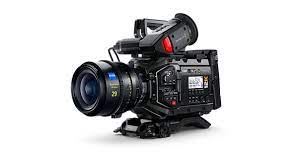
Blackmagic Design Spares - Camera URSA Broadcast G2 - PCB Sensor Ass

R 34,394.20
Tax included Shipping calculated at checkout.


The Blackmagic Design Spares - Camera URSA Broadcast G2 - PCB Sensor Assembly is the most vital internal component of the Broadcast G2. It is a combined unit that includes the 6K CMOS sensor, the optical stack (IR cut filter and OLPF), and the specialized interface board that converts high-speed analog pixel data into a digital signal for the camera's main processor.

The "Hybrid" 6K Sensor

The URSA Broadcast G2 is unique because it uses the same 6K sensor found in the Pocket Cinema Camera 6K Pro, but adapted for the high-bandwidth broadcast environment.

  • Dual Native ISO: The sensor assembly features the dual-gain architecture ($400$ and $3,200$ ISO), allowing for exceptional performance in low-light news or stadium environments.

  • Sensor Windowing: It is designed to work in "4K Broadcast" mode, which windows the 6K sensor to perfectly match the $2/3"$ B4 lens image circle, or in full "6K Cinema" mode when using EF or PL glass.

  • Optical Stack: The assembly includes the glass layers designed to reduce "color fringing" often seen with broadcast lenses and to provide high-quality infrared (IR) protection.

When to Replace the Sensor Assembly

Because this is a high-cost part, it is generally replaced only when image-critical failures occur:

  • Permanent Pixel Damage: Vertical or horizontal lines across the image, or large clusters of "stuck" pixels that the internal pixel-remapping software cannot hide.

  • Internal Contamination: If dust or mold has migrated behind the IR glass and directly onto the CMOS surface, the entire assembly is often replaced to ensure a factory-sealed optical path.

  • Thermal Failure: The sensor fails to "initialize" once the camera reaches operating temperature, resulting in a black screen or a "Sensor Data Error" on the LCD.

  • Impact Trauma: If the camera is dropped with a heavy B4 lens attached, the torque can sometimes crack the mounting substrate of the sensor assembly or knock it out of alignment.

Key Features

  • OEM Calibration: The sensor is pre-aligned to ensure that the "back focus" remains consistent across the entire sensor plane.

  • G2 Specific: This assembly is electrically incompatible with the original URSA Broadcast (4K) or the URSA Mini 4.6K. It is specifically tuned for the G2’s 6K data pipeline.

  • Active Cooling Interface: The rear of the assembly features a high-conductivity thermal interface designed to mate with the URSA’s internal heat-pipe system.


Technical Installation Note

Warning: This is a "Level 4" repair. Opening the sensor block exposes the camera to permanent environmental damage.

  • Clean Bench Required: Do not attempt this swap in a standard office or field environment. A single speck of dust on the sensor will appear as a massive black spot in your 4K/6K footage. Use a laminar flow hood or an ISO Class 5 clean room.

  • Flange Focal Distance (Shimming): After installation, you must re-shim the lens mount. Every sensor assembly has a slightly different physical "Z-depth." If you don't re-shim, your lenses will not hit infinity focus or will lose focus during a zoom.

  • Thermal Paste: You must apply a fresh, precise layer of non-conductive thermal compound or a new thermal pad to the back of the sensor plate. Failure to do so will cause the sensor to overheat and shut down within minutes.

  • Calibration: Once installed, perform a "Black Shading" or "Sensor Calibration" in the camera menu to teach the Main Board the specific noise floor and pixel map of the new silicon.

A Quick Check: Before ordering this assembly, ensure that any "spots" or "marks" aren't actually on the user-replaceable IR glass located just inside the lens mount. That glass is significantly cheaper and much easier to replace than the entire sensor assembly.

Are you seeing specific artifacts like "hot pixels" or colored lines, or did the camera suffer a physical impact?

Blackmagic Design Spares - ATEM 1M/E Advanced Panel - Button
Blackmagic

Blackmagic Design Spares - Camera URSA Broadcast G2 - PCB Sensor Ass

R 34,394.20

The Blackmagic Design Spares - Camera URSA Broadcast G2 - PCB Sensor Assembly is the most vital internal component of the Broadcast G2. It is a combined unit that includes the 6K CMOS sensor, the optical stack (IR cut filter and OLPF), and the specialized interface board that converts high-speed analog pixel data into a digital signal for the camera's main processor.

The "Hybrid" 6K Sensor

The URSA Broadcast G2 is unique because it uses the same 6K sensor found in the Pocket Cinema Camera 6K Pro, but adapted for the high-bandwidth broadcast environment.

  • Dual Native ISO: The sensor assembly features the dual-gain architecture ($400$ and $3,200$ ISO), allowing for exceptional performance in low-light news or stadium environments.

  • Sensor Windowing: It is designed to work in "4K Broadcast" mode, which windows the 6K sensor to perfectly match the $2/3"$ B4 lens image circle, or in full "6K Cinema" mode when using EF or PL glass.

  • Optical Stack: The assembly includes the glass layers designed to reduce "color fringing" often seen with broadcast lenses and to provide high-quality infrared (IR) protection.

When to Replace the Sensor Assembly

Because this is a high-cost part, it is generally replaced only when image-critical failures occur:

  • Permanent Pixel Damage: Vertical or horizontal lines across the image, or large clusters of "stuck" pixels that the internal pixel-remapping software cannot hide.

  • Internal Contamination: If dust or mold has migrated behind the IR glass and directly onto the CMOS surface, the entire assembly is often replaced to ensure a factory-sealed optical path.

  • Thermal Failure: The sensor fails to "initialize" once the camera reaches operating temperature, resulting in a black screen or a "Sensor Data Error" on the LCD.

  • Impact Trauma: If the camera is dropped with a heavy B4 lens attached, the torque can sometimes crack the mounting substrate of the sensor assembly or knock it out of alignment.

Key Features

  • OEM Calibration: The sensor is pre-aligned to ensure that the "back focus" remains consistent across the entire sensor plane.

  • G2 Specific: This assembly is electrically incompatible with the original URSA Broadcast (4K) or the URSA Mini 4.6K. It is specifically tuned for the G2’s 6K data pipeline.

  • Active Cooling Interface: The rear of the assembly features a high-conductivity thermal interface designed to mate with the URSA’s internal heat-pipe system.


Technical Installation Note

Warning: This is a "Level 4" repair. Opening the sensor block exposes the camera to permanent environmental damage.

  • Clean Bench Required: Do not attempt this swap in a standard office or field environment. A single speck of dust on the sensor will appear as a massive black spot in your 4K/6K footage. Use a laminar flow hood or an ISO Class 5 clean room.

  • Flange Focal Distance (Shimming): After installation, you must re-shim the lens mount. Every sensor assembly has a slightly different physical "Z-depth." If you don't re-shim, your lenses will not hit infinity focus or will lose focus during a zoom.

  • Thermal Paste: You must apply a fresh, precise layer of non-conductive thermal compound or a new thermal pad to the back of the sensor plate. Failure to do so will cause the sensor to overheat and shut down within minutes.

  • Calibration: Once installed, perform a "Black Shading" or "Sensor Calibration" in the camera menu to teach the Main Board the specific noise floor and pixel map of the new silicon.

A Quick Check: Before ordering this assembly, ensure that any "spots" or "marks" aren't actually on the user-replaceable IR glass located just inside the lens mount. That glass is significantly cheaper and much easier to replace than the entire sensor assembly.

Are you seeing specific artifacts like "hot pixels" or colored lines, or did the camera suffer a physical impact?

View product