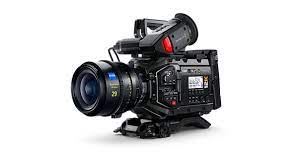
The Blackmagic Design Spares - Camera URSA Mini - Control PCB is the interface board located directly behind the physical buttons and dials on the side of the URSA Mini, URSA Mini Pro, and URSA Broadcast chassis. This board serves as the bridge between the operator's physical input and the camera's internal processing.
The Human-Machine Interface
While the Main PCB handles the image, the Control PCB handles the "feel" and functionality of the camera's exterior controls:
-
Switch Logic: Processes the signals from the toggle switches (Power, HFR, Record) and the push-buttons (Menu, Iris, Focus, etc.).
-
Rotary Encoding: Manages the data from the thumbwheels used for iris control and headphone volume.
-
Status LEDs: Controls the illumination of the back-lit buttons and the tally lights on the operator side.
-
LCD Bridge: Acts as the routing point for the data sent to the 4-inch or 5-inch fold-out touchscreen display.
When to Replace the Control PCB
Because this board is located directly under the exterior buttons, it is susceptible to environmental and mechanical stress.
-
Dead Buttons: If specific buttons (like the Record button or the Menu wheel) stop responding, but the camera functions otherwise, the tactile switches on this PCB have likely failed.
-
Liquid Ingress: This is the first board to be damaged if rain or a drink is spilled on the operator side of the camera. Liquid can seep through the gaps in the buttons and short the logic gates.
-
Sticky/Unresponsive Controls: If the iris wheel skips values or the toggle switches feel "mushy" and don't trigger the camera software, the physical components on the PCB are worn out.
-
Screen Artifacts: Since the monitor data often passes through this board, a failure here can result in the fold-out LCD showing white screens, flickering, or loss of touch response.
Key Features
-
Tactile Feedback: Engineered to maintain the specific "click" and resistance required for professional operation in high-pressure environments.
-
Genuine OEM Part: Ensures the buttons align perfectly with the rubber membranes and plastic caps of the URSA Mini outer shell.
-
Model Specific: Note that while the URSA Mini (4K/4.6K) and URSA Mini Pro (G1/G2/12K) look similar, the Control PCBs are different. The Pro models have additional ND filter wheels and external toggle switches that require a specific PCB layout.
Technical Installation Note
Replacing the Control PCB is a "Level 2" repair. You will need to remove the side panel of the camera to access it.
-
Ribbon Cable Fragility: This board is connected to the Main PCB by a very wide, thin ribbon cable. These are easily creased or torn. Always use plastic tweezers and ensure the cable is fully seated before locking the connector.
-
Button Alignment: When reassembling the camera, ensure the rubber button gaskets are seated perfectly. If the gasket is pinched, a button may remain "stuck" in the down position, preventing the camera from booting correctly.
-
ND Filter Linkage (Pro Models Only): If you are working on an URSA Mini Pro, be extremely careful not to bump the mechanical ND filter linkage. The Control PCB sits very close to this delicate mechanical assembly.
-
Static Safety: Like all URSA internal parts, this board is sensitive to ESD (Electrostatic Discharge). Ensure you are grounded before touching the board.
Diagnostic Check: Before replacing the board for a "dead button," check the Camera Setup utility via USB. Sometimes a firmware glitch can disable certain external controls. If a factory reset doesn't fix it, the Control PCB is almost certainly the issue.
Is your camera failing to respond to a specific button, or did the side of the camera suffer an impact or liquid spill?