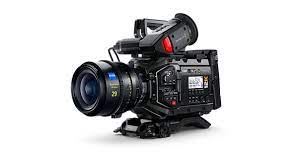
The Blackmagic Design Spares - Camera URSA Mini - PCB Rear SDI is the dedicated interface board responsible for managing the video inputs and outputs located at the rear of the URSA Mini, URSA Mini Pro (G1/G2), and URSA Broadcast chassis.
Because this board handles high-bandwidth 12G-SDI signals, it is built with high-precision impedance control to ensure that 4K and 8K video data remains stable over long cable runs.
Core Functions
This PCB serves as the physical and electrical gateway for the camera’s external video and synchronization signals:
-
12G-SDI Main Output: The primary port for sending uncompressed video to monitors, switchers, or external recorders.
-
12G-SDI Input (Return): Allows the operator to see a program return feed from a switcher, which is vital for studio and live broadcast workflows.
-
Timecode & Genlock: Houses the BNC connectors for synchronization, ensuring the camera remains in "lock" with the rest of the production.
-
Signal Re-clocking: Features dedicated chips that regenerate the digital signal to maintain "eye pattern" integrity, allowing for longer BNC cable lengths without data dropouts.
When to Replace the Rear SDI PCB
This board is one of the most frequently replaced mechanical spares due to the high-leverage stress placed on BNC ports.
-
Sheared BNC Ports: If a cable is tripped over or the camera is dropped on its rear, the BNC connectors can snap off the PCB or bend the internal signal pins.
-
SDI "Blowout": A common failure caused by "hot-plugging" SDI cables while using a faulty D-Tap power source. This creates a ground loop that fries the SDI driver chips on this board.
-
Intermittent Signal: If the video "flickers" or drops out when the BNC cable is wiggled, the solder joints between the connector and the PCB have likely developed micro-fractures.
-
Sync Failure: If the camera refuses to recognize external Timecode or Genlock signal, the processing logic on this board may be damaged.
Key Features
-
Genuine OEM Part: Guaranteed to match the exact spacing and height of the BNC cutouts in the magnesium chassis.
-
12G-SDI Compliant: Unlike older 3G or 6G boards, this is rated for the 12Gb/s speeds required for 4K 60fps workflows.
-
Modular Interface: Designed as a standalone board so you can replace damaged ports without having to buy a new, expensive Main Board.
Technical Installation Note
Replacing the Rear SDI PCB is a "Level 2" repair, involving the internal cabling of the URSA Mini.
-
Ribbon Cable Seating: The board connects to the Main PCB via a high-speed ribbon cable. It is vital that this cable is seated perfectly square. A crooked connection can cause "sparkles" in the video or a complete "No Signal" error.
-
BNC Mounting Nuts: When installing the board, ensure the nuts securing the BNC ports to the chassis are tight but not over-torqued. Over-tightening can crack the PCB substrate or strip the threads of the BNC barrel.
-
Insulation Barriers: Ensure the clear plastic insulation sheet is re-installed between the PCB and the camera body. This prevents the high-speed data traces from short-circuiting against the metal chassis.
-
Testing Return/Tally: After installation, verify that the SDI Input also works. Sometimes a board will output video correctly but fail to receive return video or Tally commands if the input logic isn't properly initialized.
Expert Advice: To prevent future damage to this board, always use BNC "pigtail" adapters or a dedicated SDI strain-relief bracket. It is much cheaper to replace a 6-inch jumper cable than it is to open the camera to replace the SDI PCB!
Are you seeing a total loss of signal, or is the port physically loose/damaged?