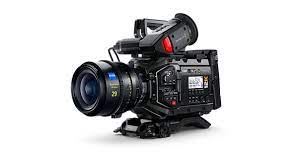
The Blackmagic Design Spares - Camera URSA Mini Pro - Door Hinge Assy is the mechanical pivot mechanism for the 5-inch fold-out touchscreen monitor on the URSA Mini, URSA Mini Pro (G1/G2), and URSA Mini Pro 12K. Because the fold-out door is the primary interface for menu navigation and monitoring, the hinge is a "high-traffic" mechanical part that bears the stress of constant opening, closing, and swiveling.
Engineering and Friction
The hinge is not a simple "cabinet-style" pivot; it is a constant-torque friction hinge.
-
Variable Tension: It is designed to hold the monitor at any specific angle without sagging, even when the camera is vibrating or being moved quickly.
-
Internal Cable Pass-through: The hinge is hollow or features a specific channel to allow the delicate high-speed LVDS (Display) and touchscreen ribbon cables to pass from the camera body into the door without being pinched or sheared.
-
Stop-Limits: It includes integrated mechanical stops to prevent the door from swinging too far and over-extending the internal wiring.
Compatible Hardware
This assembly is standardized across the "Mini" chassis:
When to Replace the Hinge Assembly
Mechanical failure of the hinge is usually obvious, but can manifest in a few ways:
-
The "Flop": The most common issue. The friction washers inside the hinge wear out or snap, and the monitor can no longer hold its position, falling open or shut on its own.
-
Grinding or Resistance: If sand or grit enters the hinge mechanism, it can score the internal metal, leading to a "crunchy" feel or making the door difficult to move.
-
Wiring Failure: If the hinge becomes loose or misaligned, it can begin to "chew" the internal display cable, leading to flickering video or a loss of touch response.
-
Physical Snap: The hinge is made of cast magnesium/aluminum; a direct impact to the open door can snap the hinge pin or the mounting "ear" that connects to the chassis.
Key Features
-
Genuine OEM Part: Ensures the torque (stiffness) of the door matches the factory feel exactly.
-
Precision Casting: Designed to sit perfectly flush within the URSA Mini’s magnesium alloy frame to maintain the camera's structural integrity.
-
Complete Assembly: Typically includes the pivot pin, the friction bushings, and the mounting screws.
Technical Installation Note
Replacing the hinge is a mechanical task that requires careful management of the monitor's "umbilical" cable.
-
Cable Management is King: Before unscrewing the old hinge, you must carefully unroute the display ribbon cable. Do not pull on the cable. If you snag the connector on the display side or the mainboard side, you will turn a mechanical repair into a much more expensive electronic one.
-
The "Loop" Requirement: When installing the new hinge, ensure the internal cable has the correct "slack loop." If the cable is too tight, it will snap the first time you close the door; if it is too loose, it will get pinched in the hinge teeth.
-
Loctite Warning: The small screws that hold the hinge to the chassis are subject to constant vibration. Using a tiny drop of "Blue" (removable) thread locker is recommended to prevent them from backing out over time.
-
Alignment: Ensure the door is perfectly square with the camera body before final tightening. An unaligned door can prevent the "magnets" from engaging, which tells the camera to turn the internal LCD off when closed.
Are you replacing this because the door has become too "loose" to stay open, or did the hinge physically break due to an impact?