Welcome to our store Learn more

New collections added! Learn more

AFFORDABLE BLACKMAGIC EQUIPMENT. Broadcast Engineer standing by for queries.

SKU: S-BLA-BMUMCAPROG2/TURRET

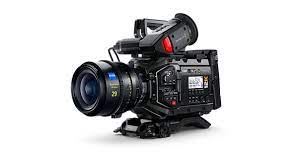
Blackmagic Design Spares - Camera URSA Mini Pro G2 - Sensor Assy

R 60,223.20
Tax included Shipping calculated at checkout.


The Blackmagic Design Spares - Camera URSA Mini Pro G2 - Sensor Assy (Assembly) is the single most critical and expensive component of the camera. It consists of the high-performance 4.6K Super 35 CMOS sensor, the integrated IR cut filter (OLPF), the sensor mounting frame, and the specialized cooling substrate designed to dissipate heat during high-frame-rate recording.

The Heart of the G2

The URSA Mini Pro G2 sensor is distinct from the original 4.6K sensor. It was redesigned specifically for speed, enabling the G2 to hit 120 fps in 4.6K and up to 300 fps in HD.

  • Active Cooling Interface: The back of the sensor assembly is designed to mate perfectly with the camera's internal heat pipe and fan system. This is vital because the G2 sensor runs significantly hotter than the original URSA Mini due to its increased clock speeds.

  • Optical Low Pass Filter (OLPF): The assembly includes the glass stack in front of the CMOS. This stack is tuned to minimize moiré and aliasing while blocking infrared light that can cause "IR pollution" (reddish tints) in shadows.

  • Precision Alignment: The sensor is factory-calibrated within the assembly to ensure it is perfectly parallel to the lens mount. Even a micron of tilt can cause "soft" corners in your image.

When to Replace the Sensor Assembly

Because this is a high-cost part, it is typically only replaced when the image quality is permanently compromised:

  • Dead/Stuck Pixels: While DaVinci Resolve can "map out" occasional dead pixels, a massive cluster or a permanent vertical/horizontal line usually indicates a hardware failure on the CMOS itself.

  • Sensor "Gate" Scratches: If the glass directly over the sensor is scratched and the marks are visible at high f-stops (f/11 or f/16), the assembly often needs to be replaced (as the glass and sensor are often bonded in a way that makes individual replacement risky).

  • Heat Damage: In rare cases of cooling failure, the sensor can develop "thermal noise" patterns that don't disappear even after the camera cools down.

  • Impact Trauma: A severe drop can crack the sensor substrate or knock the sensor out of alignment with the optical axis.

Key Features

  • Genuine OEM Component: Features the exact 4.6K Super 35 HDR sensor with 15 stops of dynamic range.

  • G2 Specific: This assembly is not backward compatible with the original URSA Mini 4.6K or the URSA Mini Pro 4.6K (G1). The electronics and data bandwidth requirements are specific to the G2 Main Board.

  • Pre-Calibrated: Designed to meet Blackmagic's strict tolerances for flange focal distance.


Technical Installation Note

Warning: Replacing a sensor assembly is a "Level 4" repair. It involves total disassembly of the camera and carries a high risk of permanent damage.

  • Clean Room Environment: This repair should only be attempted in a certified "ISO Class 5" clean room or a filtered laminar flow cabinet. Any dust that lands on the sensor during installation will be visible in every frame you record forever.

  • Back Focus Calibration: Once the new sensor is installed, you must re-shim your lens mounts. The slight physical variation between sensor assemblies means your old shims may no longer provide an accurate focus scale.

  • ESD Protection: The CMOS sensor is incredibly sensitive to electro-static discharge. A tiny spark from your finger can "kill" rows of pixels instantly.

  • Thermal Paste/Pads: You must use high-quality thermal interface material between the sensor assembly and the camera's cooling block to prevent the new sensor from overheating and failing within minutes.

Expert Advice: If you are experiencing "dots" on your image, ensure they aren't just dust on the rear element of your lens or the removable IR glass (if your model has the user-replaceable glass) before committing to a full sensor assembly replacement.

Is the camera currently producing a specific image artifact, like a colored line or a "shimmering" pattern?

Blackmagic Design Spares - ATEM 1M/E Advanced Panel - Button
Blackmagic

Blackmagic Design Spares - Camera URSA Mini Pro G2 - Sensor Assy

R 60,223.20

The Blackmagic Design Spares - Camera URSA Mini Pro G2 - Sensor Assy (Assembly) is the single most critical and expensive component of the camera. It consists of the high-performance 4.6K Super 35 CMOS sensor, the integrated IR cut filter (OLPF), the sensor mounting frame, and the specialized cooling substrate designed to dissipate heat during high-frame-rate recording.

The Heart of the G2

The URSA Mini Pro G2 sensor is distinct from the original 4.6K sensor. It was redesigned specifically for speed, enabling the G2 to hit 120 fps in 4.6K and up to 300 fps in HD.

  • Active Cooling Interface: The back of the sensor assembly is designed to mate perfectly with the camera's internal heat pipe and fan system. This is vital because the G2 sensor runs significantly hotter than the original URSA Mini due to its increased clock speeds.

  • Optical Low Pass Filter (OLPF): The assembly includes the glass stack in front of the CMOS. This stack is tuned to minimize moiré and aliasing while blocking infrared light that can cause "IR pollution" (reddish tints) in shadows.

  • Precision Alignment: The sensor is factory-calibrated within the assembly to ensure it is perfectly parallel to the lens mount. Even a micron of tilt can cause "soft" corners in your image.

When to Replace the Sensor Assembly

Because this is a high-cost part, it is typically only replaced when the image quality is permanently compromised:

  • Dead/Stuck Pixels: While DaVinci Resolve can "map out" occasional dead pixels, a massive cluster or a permanent vertical/horizontal line usually indicates a hardware failure on the CMOS itself.

  • Sensor "Gate" Scratches: If the glass directly over the sensor is scratched and the marks are visible at high f-stops (f/11 or f/16), the assembly often needs to be replaced (as the glass and sensor are often bonded in a way that makes individual replacement risky).

  • Heat Damage: In rare cases of cooling failure, the sensor can develop "thermal noise" patterns that don't disappear even after the camera cools down.

  • Impact Trauma: A severe drop can crack the sensor substrate or knock the sensor out of alignment with the optical axis.

Key Features

  • Genuine OEM Component: Features the exact 4.6K Super 35 HDR sensor with 15 stops of dynamic range.

  • G2 Specific: This assembly is not backward compatible with the original URSA Mini 4.6K or the URSA Mini Pro 4.6K (G1). The electronics and data bandwidth requirements are specific to the G2 Main Board.

  • Pre-Calibrated: Designed to meet Blackmagic's strict tolerances for flange focal distance.


Technical Installation Note

Warning: Replacing a sensor assembly is a "Level 4" repair. It involves total disassembly of the camera and carries a high risk of permanent damage.

  • Clean Room Environment: This repair should only be attempted in a certified "ISO Class 5" clean room or a filtered laminar flow cabinet. Any dust that lands on the sensor during installation will be visible in every frame you record forever.

  • Back Focus Calibration: Once the new sensor is installed, you must re-shim your lens mounts. The slight physical variation between sensor assemblies means your old shims may no longer provide an accurate focus scale.

  • ESD Protection: The CMOS sensor is incredibly sensitive to electro-static discharge. A tiny spark from your finger can "kill" rows of pixels instantly.

  • Thermal Paste/Pads: You must use high-quality thermal interface material between the sensor assembly and the camera's cooling block to prevent the new sensor from overheating and failing within minutes.

Expert Advice: If you are experiencing "dots" on your image, ensure they aren't just dust on the rear element of your lens or the removable IR glass (if your model has the user-replaceable glass) before committing to a full sensor assembly replacement.

Is the camera currently producing a specific image artifact, like a colored line or a "shimmering" pattern?

View product