

#Hollyland Mars T1000 Beltpack, 1000ft, For Mars T1000 Series
#Hollyland Mars T1000 Beltpack, 1000ft, For Mars T1000 Series is backordered and will ship as soon as it is back in stock.
Couldn't load pickup availability

#Hollyland Mars T1000 Beltpack, 1000ft, For Mars T1000 Series
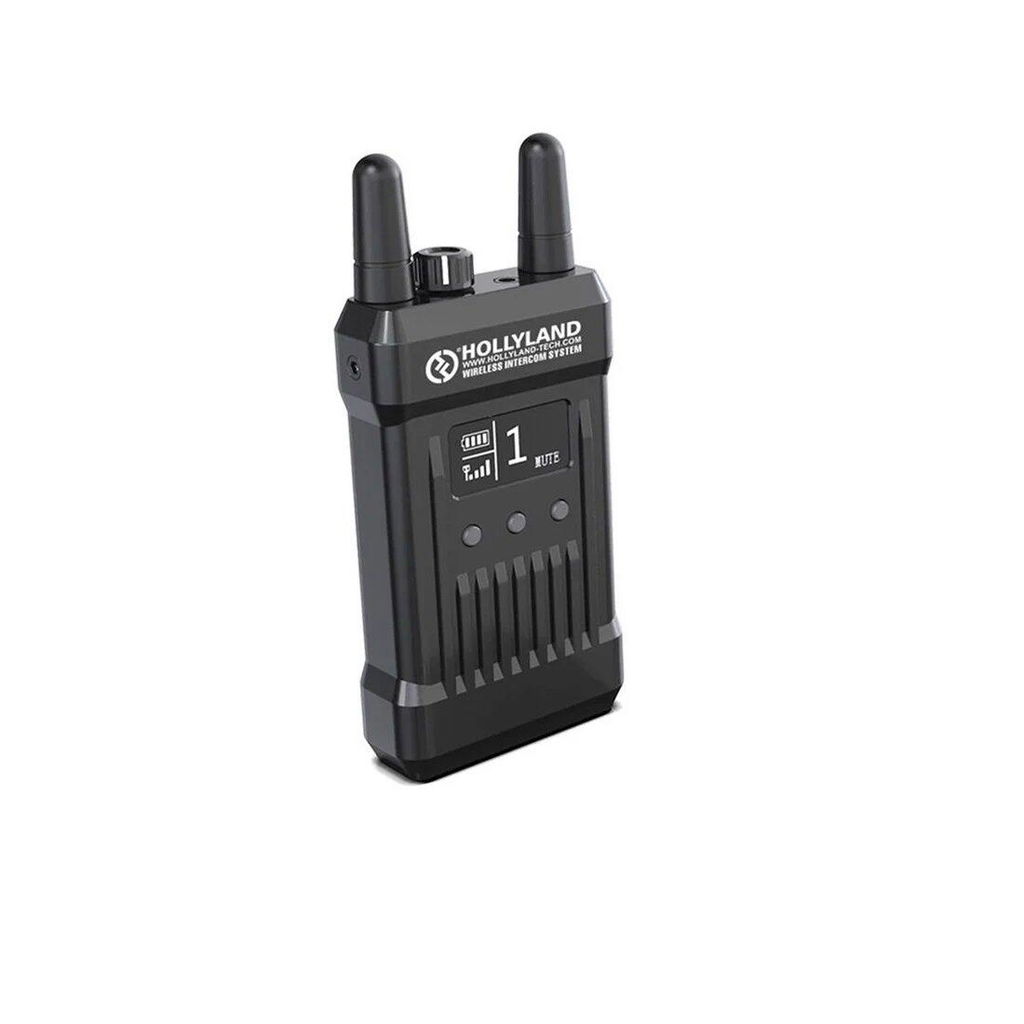
The Hollyland Mars T1000 Standalone Beltpack is an expansion component designed exclusively for the Hollyland Mars T1000 wireless intercom system.
Unlike the more recent all-in-one Solidcom series headsets, the Mars T1000 uses a traditional infrastructure combining a wired headset with a rugged, pocket-sized wireless transmitter block clipped to your belt. This individual pack serves as a replacement for a damaged unit or as a way to scale up a smaller system base to its hardware maximum.
Core Hardware & Operational Strengths
-
Rugged Aluminum Shell Construction: Built to withstand demanding live production environments. The chassis is CNC-machined out of a robust, impact-resistant aluminum alloy that protects the internal RF boards from drops, bumps, and harsh stage use.
-
Integrated OLED Status Screen: Features a bright, high-contrast display panel right on the face of the pack. This provides immediate, glanceable technical data, including the pack's individual ID number, wireless link signal strength (RSSI), battery life bars, and active communication status (Talk/Mute).
-
Flexible Dual-Function PTT Button: The central rocker key acts as your audio gatekeeper. Tap it quickly once to lock the channel into an open full-duplex conversational state, or hold it down for a traditional Push-to-Talk (PTT) walkie-talkie mode for quick, sparse cues.
-
Tally Indicator Light Support: Features an internal tally management circuit. When linked into a compatible camera switching matrix through the main base station hub, the beltpack screen can display real-time broadcast indicators, warning operators when their camera is live on air.
Power Infrastructure & Field Lifespan
Instead of using proprietary battery pods, the Mars T1000 beltpack relies on a massive built-in 1,600mAh Lithium-Polymer battery cell. It charges via a standard 5V USB-C interface port:
| Metric Profile | Operational Window |
| Continuous Field Runtime | Up to 8 Hours on a single full charge cycle |
| Full Charging Window | ~2 Hours via the base hub USB outputs or a standard power bank |
Technical Specifications Matrix
| Feature | Specification |
| System Role Profile | Expansion Remote Node (Requires Mars T1000 Base to operate) |
| Wireless RF Standard | Secure Digital DECT Technology Platform |
| Maximum Operating Range | Up to 1,000 Feet (300 Meters) line-of-sight from the hub |
| Physical Audio Interface | 3.5mm TRRS Headset Jack (Supports dynamic & electret mics) |
| Chassis Core Weight | Roughly 193g (6.8 oz) |
⚠️ System Capacity & Compatibility Warning: The Mars T1000 Base Station is hardwired to support a maximum of 4 simultaneous wireless beltpacks natively. You can purchase this single beltpack as a quick replacement for a lost or broken unit out of your original kit. If you want to use it to expand your team from 4 users to 5 or more, you must insert a standard network switch into the cascade port on the rear of the hub and link a second physical Mars T1000 Base Station to host the extra wireless frequencies.